Buying Guide
How to Choose the Right Camera for Your Needs

Choosing a camera is easier when you start from what you want to create rather than from specifications. This guide covers the main decisions in the order that usually matters most.
Start with what you shoot
Travel and everyday photography reward a light, compact body. Wildlife and sports need fast, reliable autofocus and access to long lenses. Portrait photographers often prioritise lens choice and pleasing colour, while landscape photographers tend to value resolution and dynamic range. If video matters as much as stills, keep that in mind from the start.
Sensor size and image quality
Larger sensors generally capture more light, which helps in low light and gives more control over background blur. Full-frame cameras offer the highest image quality and dynamic range; APS-C models balance performance, size and price; Micro Four Thirds systems are smaller and lighter. Megapixels matter most if you print large or crop heavily.
Lenses and long-term value
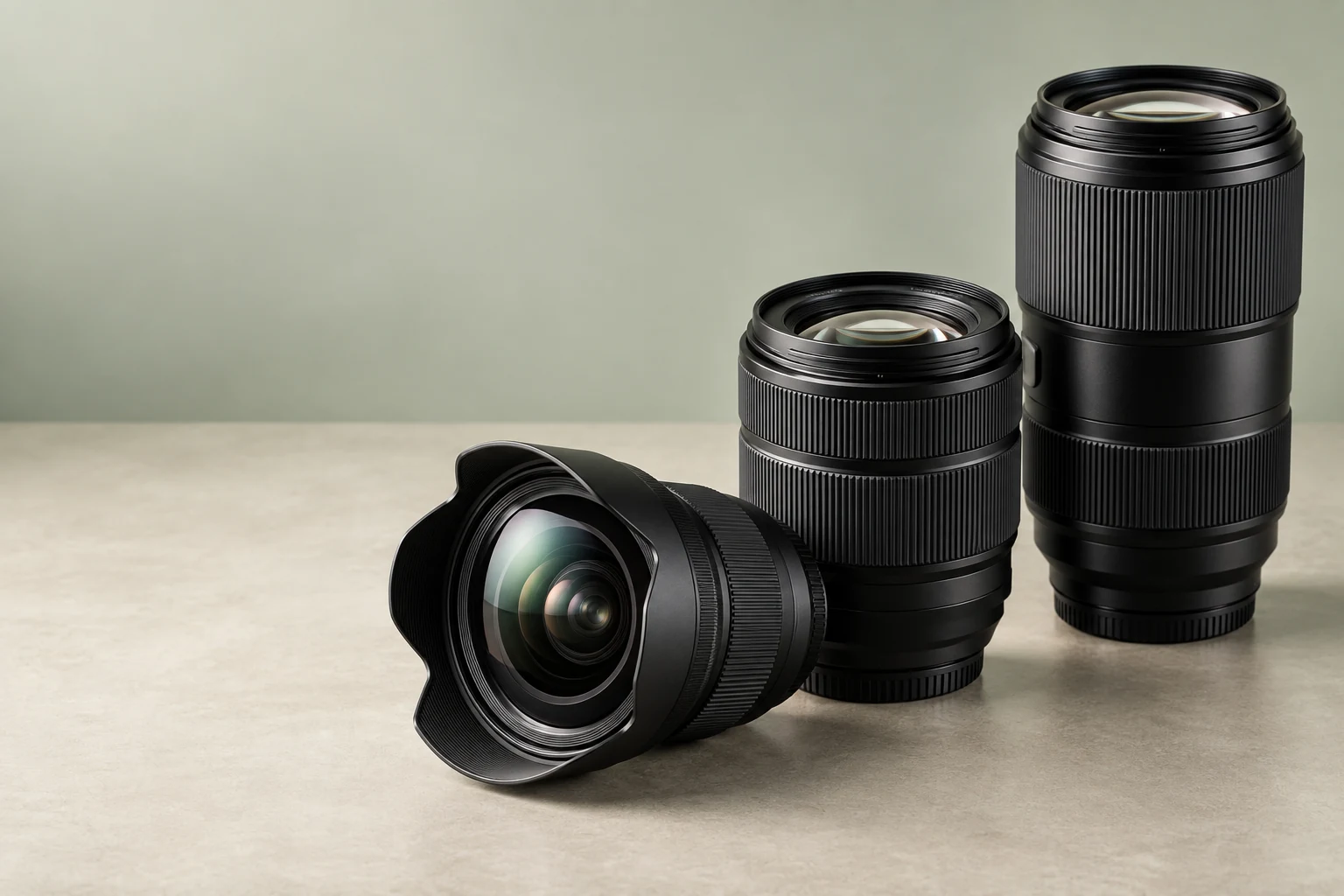
A camera is only part of a system. Check which lenses are available for the mount now and in the future: a versatile zoom for travel, a fast prime for portraits, or a telephoto for wildlife. Lenses often outlast camera bodies, so the system you choose is a long-term decision.
Video features
For video, look at resolution and frame rates, autofocus performance during recording, in-body image stabilisation, log profiles for grading, and practical details such as microphone and headphone jacks, recording limits and heat management.
Mirrorless or DSLR
Mirrorless
- Compact and lighter bodies
- Accurate on-sensor autofocus
- Electronic viewfinder previews exposure
- Strong for both photo and video
DSLR
- Optical viewfinder
- Typically long battery life
- Large range of existing lenses
- Often good value on the used market
Set a realistic budget
Plan for the whole kit, not just the body: at least one good lens, extra batteries, fast memory cards, a bag and, if needed, a tripod. A modest body with a great lens often produces better results than the reverse.